 MAKE AN ENQUIRY
 CALL US

Aluminium vs uPVC Windows: Which is Best for Your Home?
At first glance, aluminium and uPVC window frames might seem similar, but they differ in several key ways.
What are Aluminium Windows?
Aluminium frames offer a sleek, slim appearance that suits modern homes and contemporary architectural styles. They are very strong, making them ideal for large feature windows or sliding doors. However, aluminium is a natural conductor of heat and cold, which means it needs extra thermal barriers to compete with the natural insulating properties of uPVC.
What are uPVC Windows?
uPVC frames are specifically designed for energy efficiency and are naturally insulating. They do not rust, warp or corrode, making them perfect for Melbourne’s unpredictable weather, whether you live near the coast or in the suburbs. They are also incredibly low maintenance and easy to care for
If you want a modern, industrial look and do not mind a bit of extra upkeep, aluminium may suit your home. If your priority is comfort, energy efficiency and minimal maintenance, uPVC is often the better choice.

uPVC Windows vs Aluminium Windows: The Basics
At first glance, aluminium and uPVC window frames might seem similar, but they differ in several key ways.
Aluminium Windows
Aluminium frames offer a sleek, slim appearance that suits modern homes and contemporary architectural styles. They are very strong, making them ideal for large feature windows or sliding doors. However, aluminium is a natural conductor of heat and cold, which means it needs extra thermal barriers to compete with the natural insulating properties of uPVC.
uPVC Windows
uPVC frames are specifically designed for energy efficiency and are naturally insulating. They do not rust, warp or corrode, making them perfect for Melbourne’s unpredictable weather, whether you live near the coast or in the suburbs. They are also incredibly low maintenance and easy to care for.
If you want a modern, industrial look and do not mind a bit of extra upkeep, aluminium may suit your home. If your priority is comfort, energy efficiency and minimal maintenance, uPVC is often the better choice.
Energy Efficiency and Insulation
When it comes to keeping your home comfortable throughout Melbourne’s varied seasons, insulation is key. Good insulation can keep the heat out during summer and trap warmth inside during winter, reducing your reliance on heating and cooling systems.
uPVC Windows
Naturally provide excellent insulation. When combined with double glazing, they create a powerful barrier that keeps warm air inside during winter and blocks heat in summer. This not only improves comfort but also helps lower your energy bills.
Aluminium Windows
Because aluminium is a conductor of heat, it can let outside temperatures into your home unless it has a thermal break. A thermal break is an insulating layer built into the frame to reduce heat transfer. Even with this feature, aluminium typically cannot match the insulating performance of uPVC.
Verdict: For energy-conscious households, uPVC windows are the clear winner, especially when paired with double glazing.
Aluminium Double Glazing vs uPVC Double Glazing
Double glazing is one of the best ways to improve your home’s energy efficiency, comfort and noise reduction. However, the type of frame you choose will have a big impact on the results.
uPVC Double Glazing
Provides superior insulation and noise reduction thanks to its naturally airtight and non-conductive properties. This makes it ideal for homes located near busy roads or for families who want to maintain a consistent indoor temperature.
Aluminium Double Glazing
Strong and versatile, aluminium frames are perfect for large windows and doors. However, without a thermal break, aluminium double glazing will not perform as well as uPVC when it comes to insulation.
Tip: If you prefer the modern look of aluminium, choose thermally broken frames to improve energy performance.
Thermally Broken Aluminium vs uPVC: Does It Close the Gap?
Thermally broken aluminium frames use an insulating strip between the interior and exterior metal to reduce heat transfer, and they’re often marketed as the answer to aluminium’s conductivity problem. It’s a genuine improvement over standard aluminium, but it’s still an add-on to a material that conducts heat by nature, rather than a frame that’s naturally insulating.
uPVC doesn’t need a thermal break because it isn’t a conductor to begin with. In side-by-side testing, uPVC frames consistently outperform even thermally broken aluminium on U-values (the measure of heat transfer through a frame), which translates to a more stable indoor temperature and lower energy bills over the life of the window.
Tip: If you prefer the modern look of aluminium, choose thermally broken frames to improve energy performance, but go in with realistic expectations about how far that closes the gap with uPVC.
Durability and Maintenance
Windows are a long-term investment, so you want to choose a material that will stand the test of time with minimal effort.
uPVC Windows
uPVC frames are designed to resist fading, warping and corrosion, even in coastal areas where salt can cause damage to other materials. Maintenance is simple and low effort, usually requiring just a wipe with soapy water to keep them looking fresh.
Aluminium Windows
Aluminium is strong and durable but can corrode or pit over time, especially in coastal locations. It also requires more regular maintenance to keep seals, coatings and finishes in good condition.
Verdict: For homeowners who prefer a low-maintenance solution, uPVC windows are the superior option.
What to Check Before You Buy: Warranty, Certification & Where Your Windows Are Made
Durability claims are only as good as what’s backing them, so here’s what’s worth asking any window supplier, aluminium or uPVC:
Warranty
Ask how long the warranty runs and exactly what it covers, frame, glazing, hardware and workmanship can all have different terms. Vue’s uPVC windows are backed by a comprehensive warranty on both the Aluplast profile and our installation.
Certification
Look for compliance with AS2047, the Australian Standard for windows in buildings, and check the window’s WERS (Window Energy Rating Scheme) rating if energy performance matters to you. Vue’s uPVC systems use Aluplast profiles, engineered in Germany to strict European standards.
Where it’s made
This is the question that’s been getting more attention lately, and for good reason. Imported window frames can vary significantly in quality depending on manufacturing standards and materials used overseas, and that variability is exactly what’s been surfacing in recent reporting on imported aluminium windows. Vue’s uPVC windows and doors are manufactured locally for Melbourne homes, built specifically to perform in our climate rather than adapted from a design made for somewhere else.
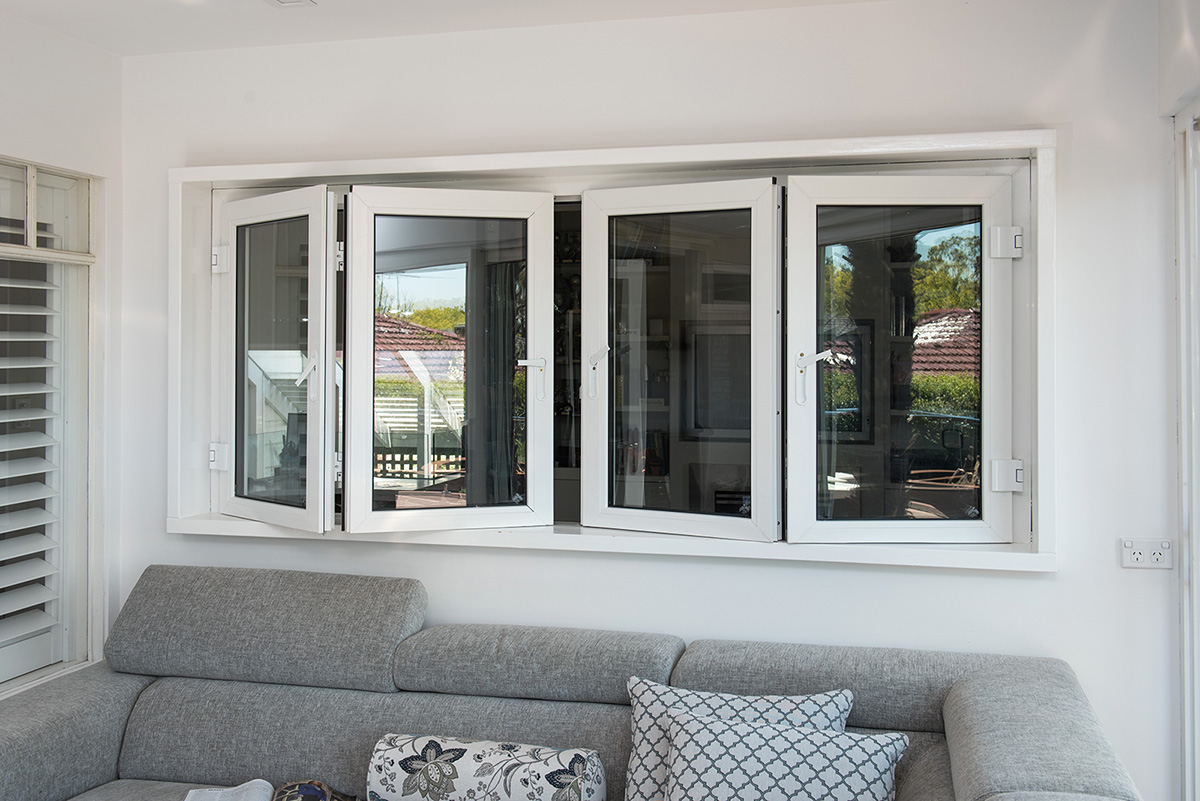
Cost Comparison: uPVC vs Aluminium Windows
Cost is one of the biggest factors when upgrading your windows, and it is important to look at both the initial investment and the long-term savings.
uPVC Windows
Typically more affordable upfront than aluminium windows. They also save you money over time by reducing your energy bills, making them a smart choice for budget-conscious families.
Aluminium Windows
Aluminium windows usually come with a higher initial price, especially if you choose thermally broken frames to improve insulation. While they are durable, the long-term savings are not as significant as those offered by uPVC.
Verdict: uPVC windows generally offer better value for money when you consider both the purchase price and ongoing energy savings.
How much more do aluminium windows cost than uPVC?
As a general rule, aluminium windows cost more upfront than uPVC, and that gap widens further if you choose thermally broken aluminium frames for better insulation. uPVC’s lower purchase price, combined with the energy savings from its superior insulation, typically makes it the more cost-effective choice over the life of the window, even though aluminium can look competitive on the initial quote alone. The exact difference depends on frame size, glazing choice and configuration, so it’s worth getting a like-for-like quote on both.
uPVC vs Aluminium: Style and Design Options
The appearance of your windows plays a big role in the overall look of your home, so style matters.
Aluminium Windows
Known for their ultra-slim frames and modern, minimalist style. Perfect for contemporary homes and for maximising natural light with large expanses of glass.
uPVC Windows
Available in a wide variety of colours and finishes, including realistic timber-look designs. This makes them suitable for both modern homes and traditional or heritage properties.
How uPVC and Aluminium Perform in Melbourne’s Climate
Melbourne is famous for throwing four seasons at you in a single day, and your window frames need to handle every one of them without complaint.
UV exposure
Melbourne’s harsh summer sun can fade and degrade lower-quality window materials over time. uPVC frames from Vue are UV-stabilised, meaning they resist yellowing, fading and surface degradation even after years of direct sun exposure. Aluminium frames won’t fade in colour the same way, but cheaper or imported aluminium can suffer from finish and coating breakdown under sustained UV, which is part of what’s been raising questions about imported window quality lately.
Storm and wind resistance
Melbourne’s weather can turn quickly, from still mornings to blustery fronts rolling in off the bay. uPVC’s multi-chambered frame design adds structural rigidity and airtight sealing that holds up under wind loading, while our double glazing keeps seals secure even as conditions change.
Temperature swings
Few cities test a window’s performance quite like Melbourne, where a 35-degree afternoon can drop to single digits overnight. uPVC’s low thermal conductivity means it doesn’t expand and contract the way aluminium can across these swings, reducing long-term stress on seals and hardware. That matters whether you’re in Doncaster, Malvern, or anywhere else across greater Melbourne, since the whole city experiences this same seasonal volatility.
Coastal and suburban exposure
Whether you’re closer to the bay or further inland, uPVC’s resistance to corrosion means it performs consistently across Melbourne’s different microclimates without the pitting or coating wear that can affect aluminium over time, particularly in salt-exposed areas.
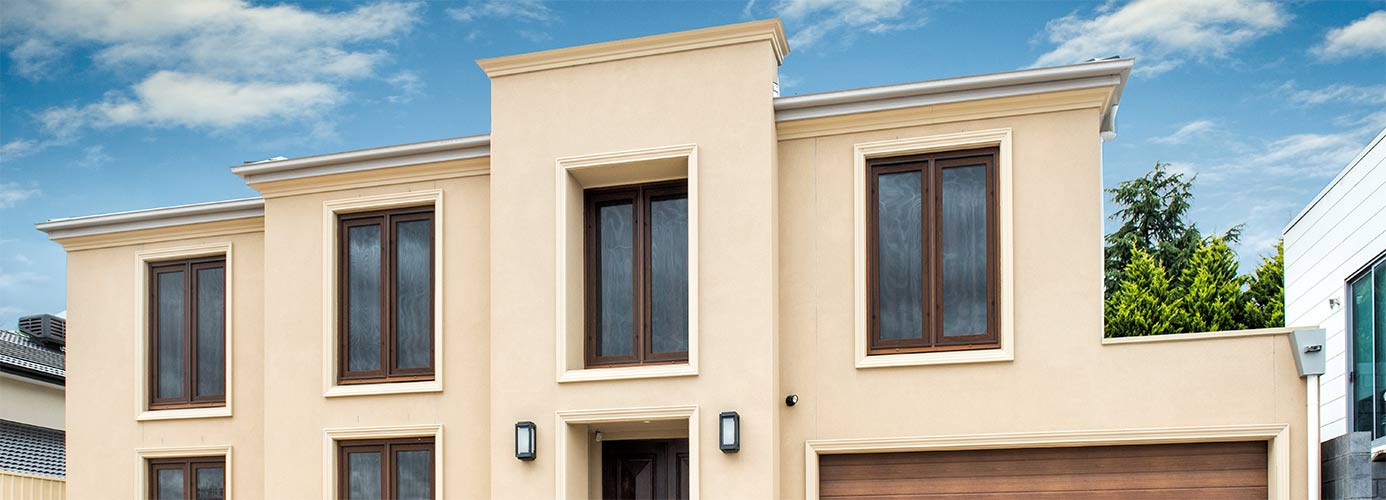
Choose Vue for your uPVC Windows
At Vue Windows, we specialise in locally made, custom uPVC windows and doors built for Melbourne homes. Whether you are renovating, building a new home, or replacing old windows, our team will help you choose the perfect solution for your needs.
Enjoy lower energy bills, reduce noise and give your home a fresh new look with windows designed to last for decades.
Contact Vue Windows today to arrange a free consultation and find out why so many Melbourne homeowners are switching to uPVC for superior performance and value.
Frequently Asked Questions
What does uPVC stand for?
uPVC stands for unplasticised polyvinyl chloride, a rigid, low-maintenance form of PVC used for window and door frames.
What is uPVC made of?
uPVC is made from a rigid form of PVC without the plasticisers used in flexible PVC products, which is what gives it its strength, weather resistance and dimensional stability.
What’s the actual difference between uPVC and aluminium windows?
The core difference comes down to thermal performance and maintenance. uPVC is naturally insulating and low-maintenance, while aluminium is a stronger, more conductive material that typically needs a thermal break and more upkeep to match uPVC’s performance.
Is uPVC better than aluminium for Melbourne homes?
For most Melbourne homes, uPVC offers a better balance of insulation, low maintenance and cost over the life of the window, particularly given how much our climate swings across the seasons. Aluminium remains a strong choice where a slim, modern frame profile is the priority.