 MAKE AN ENQUIRY
 CALL US

The Pros and Cons of Tilt and Turn Windows
Tilt and turn windows are a versatile and highly functional window model that has long been popular throughout Europe. Over recent years, they have become increasingly sought after in Australian homes. For homeowners exploring new window options, it is important to understand exactly how they work, and what makes them different from traditional awning and casement windows.
This article will provide a balanced analysis of the functional benefits and practical considerations to help Melbourne homeowners determine if this premium window style is suitable for their specific needs.
What are Tilt and Turn Windows?
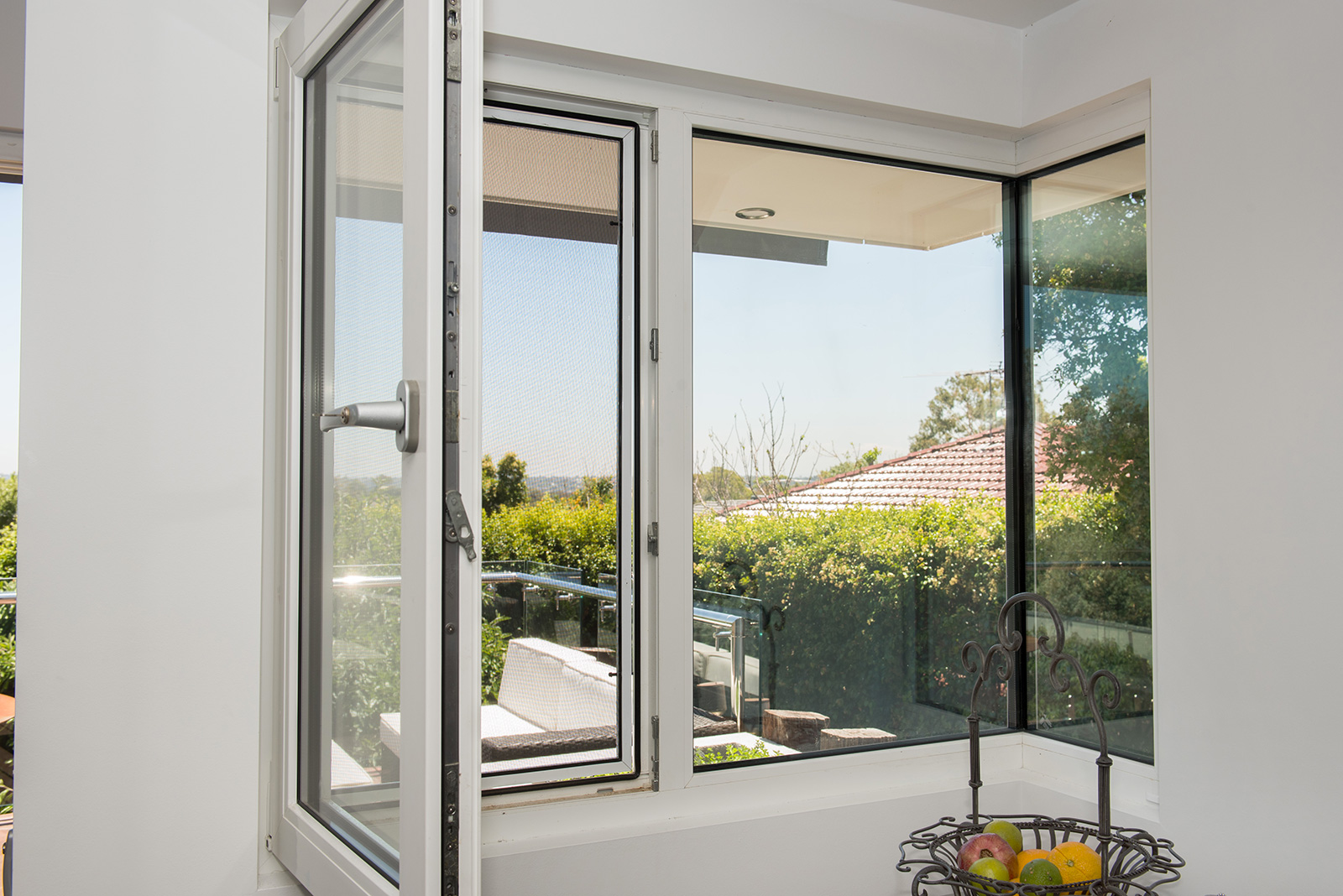
We first need to understand the unique dual-action opening mechanism that allows the window to function in two distinct ways depending on the position of the handle. When comparing them to how traditional awning and casement windows operate, the difference is substantial:
- The Tilt: The window sash can tilt inwards from the top for secure ventilation.
- The Turn: The sash can swing open horizontally like a door for full access to the outdoors.
The construction of these units typically involves the use of high-quality uPVC frames and multi-chambered profiles that enhance overall thermal performance.
The Primary Benefits of Tilt and Turn Windows
There are many benefits of tilt and turn windows over awning and casement windows, as their unique design provides superior functionality and performance. They offer exceptional architectural versatility, capable of modernising the appearance of a home while simultaneously offering high-performance glazing. Furthermore, their excellent air-tightness and insulation properties contribute to a more energy-efficient and comfortable living environment.
Ventilation
- The tilt function enables consistent and controlled airflow by opening a small gap at the top of the window sash.
- This specific mode allows for fresh air to circulate without creating uncomfortable drafts at the occupant level.
- Homeowners have the advantage of being able to leave the window in the tilt position during light rain or at night while maintaining a high level of security.
Ease of Cleaning
- The turn function allows the window to open a full 90 degrees into the room, providing total access to the external glass surface.
- This offers significant maintenance benefits for homeowners with multi-storey properties who wish to clean their windows without the use of ladders or professional services.
- The durable uPVC frames further simplify the upkeep process, as they do not require the frequent painting or sealing associated with timber.
Security and Safety
- Tilt and turn windows feature multi-point locking systems and heavy-duty internal hardware that make them exceptionally difficult to force open from the outside, providing extra security from intruders.
- The tilt position provides safe ventilation without creating an opening large enough for intruders or small children to pass through.
- The wide-opening turn function allows these windows to serve as effective egress points, providing a safe and clear exit route in emergencies.
The Drawbacks of Tilt and Turn Windows
While tilt and turn windows offer numerous advantages, there are specific practical and structural factors that homeowners must consider. The advanced engineering involved in their design means they require specialist professional installation to ensure the mechanism remains perfectly aligned.
Interior Space Requirement
- Because the window sash opens into the home, there must be adequate clear space on the interior wall and window sill.
- This inward movement might restrict the placement of furniture, appliances or decor near the window.
- Homeowners must undertake careful planning regarding blinds or curtains to ensure they do not interfere with the operation of the sash.
Complex Mechanisms
- These windows require sophisticated internal gearing and a complex handle system to manage the dual-action movement.
- While these components are designed for longevity, they rely on high-quality manufacturing to avoid mechanical issues over time.
- Any required maintenance or repairs may necessitate specialist knowledge or parts compared to simpler, more traditional window designs.
Pricing
- The high-grade materials and complex hardware typically result in a higher initial purchase price than standard casement or sliding windows.
- However, this cost is best framed as a long-term investment, given the potential for reduced energy bills and lower maintenance requirements.
Casement vs Tilt and Turn Windows: Which Are Right for Me?
When deciding on the kind of window to install in your home, it is essential to focus on the specific priorities of your household.
| Feature | Casement Windows | Tilt and Turn Windows |
| Opening Direction | Swings outwards. | Tilts inwards at the top or swings inwards fully. |
| Cleaning | Accessed from the outside. | Easily cleaned from the inside by opening 90 degrees. |
| Ventilation | Opens fully for maximum breeze. | Controlled tilt ventilation prevents drafts. |
| Best Suited For | Traditional homes without interior space restrictions. | High-rise apartments, high-security areas, or homes with small children. |
Ultimately, the correct decision comes down to evaluating specific lifestyle needs, such as a preference for ventilation styles or for child safety.
uPVC Tilt and Turn Windows in Australia from Vue Windows
If you are looking for tilt and turn windows that you can rely on, Vue Windows specialises in providing high-performance uPVC tilt and turn windows.
When you choose Vue Windows, you benefit from:
- Superior energy efficiency
- Low-maintenance design
- Custom colours and styles
- Long-lasting durability
- Expert local installation across Melbourne
Ready to upgrade your home? Contact Vue Windows today for a consultation or quote to discover how our premium uPVC tilt and turn windows can transform your living space.