 MAKE AN ENQUIRY
 CALL US

Composite Door vs uPVC: What’s the Difference and Which is Right for Your Home
When it comes to choosing the right doors for your property, the two most common options are uPVC and composite. Both are widely used across Australia, and each comes with its own strengths. But which is the better choice for your home? In this guide, we explore the differences, compare their key features, and help you decide which one best suits your lifestyle and budget.
What is a uPVC Door?
uPVC stands for unplasticised polyvinyl chloride. It’s a rigid, durable plastic commonly used in window and door frames due to its weather resistance and low maintenance.
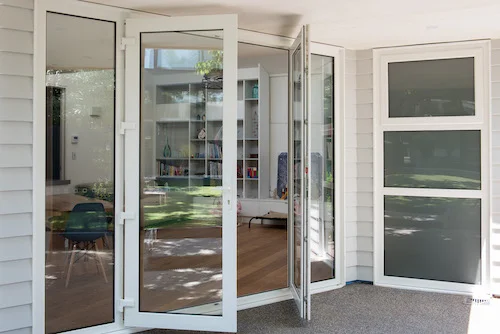
A uPVC door typically features a steel-reinforced uPVC frame with insulated panels. These doors are popular for their affordability, energy efficiency, and longevity.
Key benefits of uPVC doors:
- Cost-effective
- Excellent thermal insulation
- Minimal upkeep
- Weather-resistant
- Long-lasting colour retention
What is a Composite Door?
Composite doors are made from a combination of materials, typically including a solid timber core, high-density foam, and a glass-reinforced plastic (GRP) skin. This layered construction is designed to mimic the appearance of timber while offering greater durability and performance.
Key benefits of composite doors:
- Wood-like appearance with minimal maintenance
- Strong and secure
- Available in a wide range of colours and finishes
Comparing Composite and uPVC Doors
Materials & Construction
Composite doors combine multiple materials, while uPVC doors use a single reinforced plastic frame. Composite designs often feel more weighty, whereas uPVC maintains dependable durability with a lighter overall build.
Security & Strength
Both door types can deliver strong protection. Composite doors may feel more robust due to their construction, and modern uPVC doors (particularly when paired with multi-point locking) are engineered to provide secure entry.
Energy Efficiency & Insulation
Composite doors are typically thicker, which can contribute to strong insulation performance. uPVC doors also offer effective thermal efficiency when manufactured to modern standards, helping support comfortable interior temperatures and reduced energy costs.
Maintenance and Longevity
uPVC doors require little to no maintenance beyond occasional cleaning. Composite doors are also low-maintenance but may need more attention to keep the GRP skin looking its best over time.
Cost Considerations
uPVC doors are generally more affordable than composite doors, both in terms of initial cost and potential maintenance. Composite doors tend to cost more due to their complex construction and timber core.
Style, Appearance & Customisation
Both doors offer a wide range of colours and finishes. Composite doors can be styled to replicate traditional timber aesthetics, whereas uPVC doors offer sleek modern lines and high versatility for contemporary homes.
FAQs
How to tell the difference between uPVC and composite doors?
Composite doors are usually thicker and have a more textured, woodgrain finish. uPVC doors have a smooth, clean look and are often lighter in weight. The feel and sound when knocking can also differ.
Are uPVC doors cheaper than composite?
Yes. uPVC doors are typically the more cost-effective option. They provide excellent performance at a lower price point, making them a smart investment for homeowners conscious of budget.
Are composite doors more energy efficient than uPVC?
Composite doors can offer slightly higher insulation due to their thickness and layered materials. That said, uPVC doors are also highly energy-efficient and more than adequate for most Melbourne homes.
uPVC vs Composite: Which Door Should You Choose?
If you’re deciding between a classic, timber-like appearance or a more streamlined contemporary style, both composite and uPVC doors offer appealing options. Composite doors may suit those who prefer a traditional look and don’t mind a higher upfront investment, while uPVC provides a modern, practical, and low-maintenance solution that performs well over time.
Why Choose Vue Windows for Your uPVC Doors?
At Vue Windows, we specialise in high-quality uPVC windows & doors tailored for Australian homes. Our products offer:
- Superior energy efficiency
- Low-maintenance design
- Custom colours and styles
- Long-lasting durability
- Expert local installation across Melbourne
At Vue Windows, we specialise in custom uPVC windows and doors designed for Australian homes. Our expert team can help you choose the right style, measure and install with precision, and deliver windows built to last decades.
Whether you’re upgrading your front door or fitting out a new build, our team is here to help you choose a uPVC door that balances style, security & budget.
Contact us today to arrange a consultation and explore your uPVC door options!