 MAKE AN ENQUIRY
 CALL US

Sliding vs Awning Windows: Which Is Best for Your Home?
When choosing new windows for your home, the style you select can influence everything from ventilation and natural light to energy efficiency and ease of use.
Two popular choices in Australian homes are sliding windows and awning windows. Both offer practical benefits, but they function differently and are suited to different areas of the home.
Understanding how each option works can help you decide which style best suits your needs.
What Are Sliding Windows?
Sliding windows open horizontally along a track, allowing one pane to slide past another. This design is simple, practical, and widely used in modern homes.
Because they do not open outward, sliding windows are particularly useful in areas where external space may be limited.
Benefits of sliding windows
Sliding windows are popular because they offer:
- Smooth and easy operation
- Large glass panels that maximise natural light
- Unobstructed outdoor views
- A space-saving design that doesn’t project outward
These features make sliding windows well suited to living areas, bedrooms, and wide window openings.
What Are Awning Windows?
Awning windows are hinged at the top and open outward from the bottom. They are typically operated with a handle or winder mechanism.
This design allows the window to remain partially open during light rain, helping maintain ventilation while reducing the chance of water entering the home.
Benefits of awning windows
Awning windows offer several practical advantages, including:
- Strong ventilation and airflow
- The ability to remain open during light rain
- Secure locking mechanisms
- A compact design that works well in smaller spaces
They are commonly used in kitchens, bathrooms, and laundries where airflow and moisture control are important.

Sliding vs Awning Windows: Key Differences
Both sliding and awning windows are practical options for Australian homes. The best choice usually depends on the location of the window, ventilation needs, and the surrounding space.
Ventilation
Awning windows are designed to open outward, which can help direct fresh air into the home. This makes them a strong choice for areas where ventilation is a priority, such as kitchens, bathrooms, or laundries.
Sliding windows also provide effective airflow, particularly when installed in larger openings. Their wider glass panels can allow plenty of natural light and fresh air into living spaces.
Weather Protection
Awning windows can often remain partially open during light rain because the outward-opening sash helps shield the window opening.
Sliding windows typically need to be closed during rain, but their sealed track systems still provide reliable protection against wind and weather when shut.
Space and Placement
Sliding windows are well suited to areas where an outward-opening window may interfere with walkways, patios, or outdoor entertaining areas.
Awning windows require some external clearance, but their compact vertical design makes them ideal for higher wall placements or spaces where privacy and airflow are important.
Ease of Operation
Sliding windows are known for their straightforward design and smooth operation along a track, making them easy to use for wider openings.
Awning windows use a winder or handle mechanism, allowing precise control over how far the window opens.
Energy Efficiency Considerations
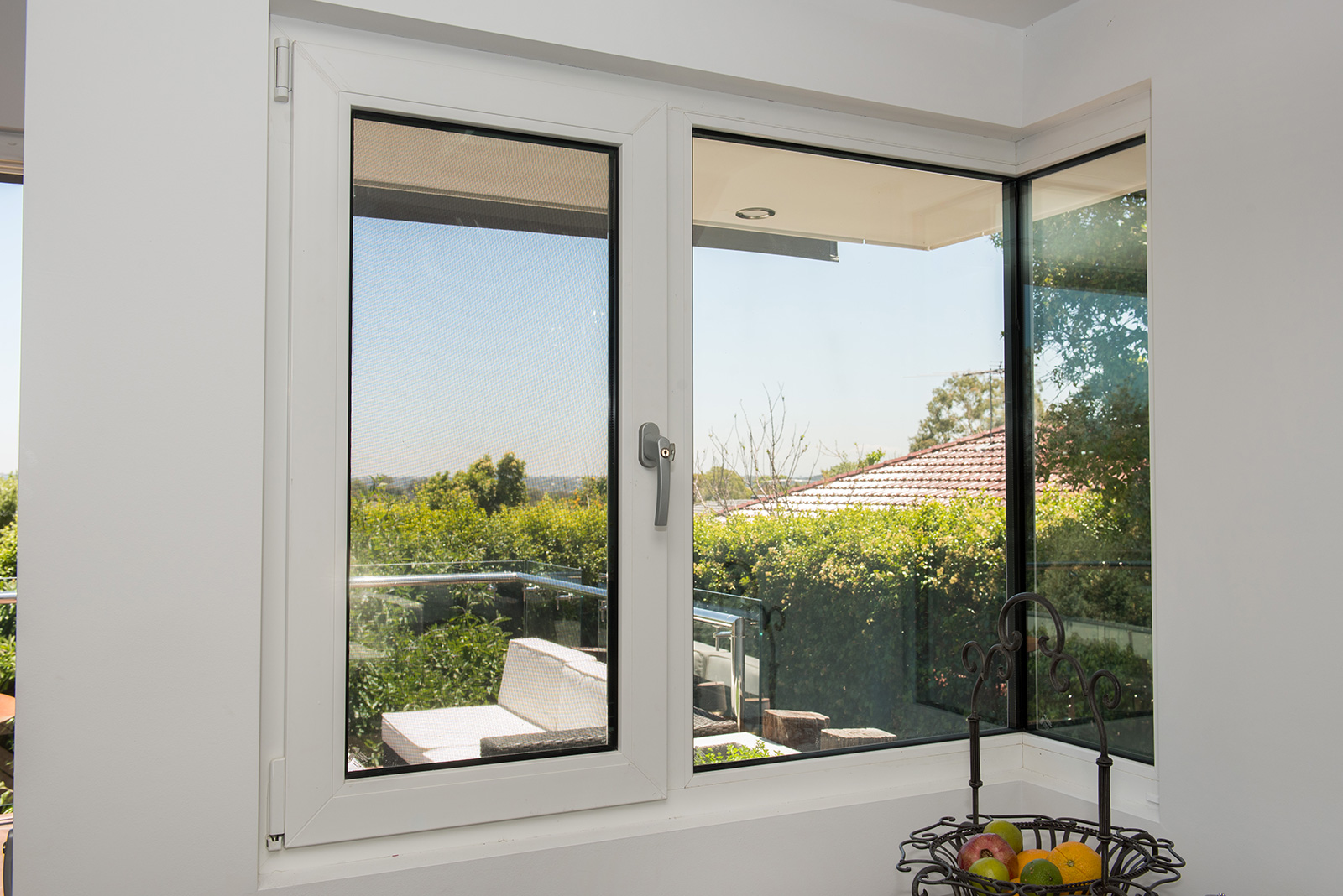
The energy performance of any window depends on both the frame material and glazing used.
Modern uPVC window systems combined with double glazing can significantly improve insulation, helping maintain indoor temperatures and reduce heat transfer. In fact, double-glazed windows can reduce heat loss by up to 50% compared to single glazing, improving overall energy efficiency in the home.
This makes both sliding and awning windows a practical choice when designed with high-performance materials.
Which Window Style Is Best for Your Home?
The right choice often depends on the room and how you want the space to function.
Sliding windows are ideal for:
- Large window openings
- Living rooms and bedrooms
- Areas near walkways or outdoor entertaining spaces
- Homes where maximising views is a priority
Our custom uPVC sliding windows are designed to provide smooth operation, excellent insulation, and wide glass panels that maximise natural light and outdoor views.
Awning windows are better suited to:
- Kitchens, bathrooms, and laundries
- Areas where consistent ventilation is needed
- Higher wall placements
- Homes where windows may need to stay open during light rain
Our uPVC awning and casement windows offer excellent ventilation, strong weather sealing, and durable low-maintenance frames designed for Australian conditions.
Many homes benefit from using both styles in different areas, combining practicality with improved airflow throughout the house.
Choosing the Right Windows for Your Home
Upgrading your windows can improve comfort, ventilation, and overall energy efficiency.
Selecting the right style is important, but so is choosing high-quality materials and professional installation. Modern uPVC window systems offer excellent insulation, durability, and low maintenance, making them a popular option for Australian homes.
If you’re considering upgrading your windows, understanding the differences between sliding and awning designs can help you make a more informed decision.
Choose Vue for your uPVC Windows & Doors
At Vue Windows, we specialise in locally made, custom uPVC windows and doors built for Melbourne homes. Whether you are renovating, building a new home, or replacing old windows, our team will help you choose the perfect solution for your needs.
Enjoy lower energy bills, reduce noise and give your home a fresh new look with windows designed to last for decades.
Contact Vue Windows today to arrange a free consultation and find out why so many Melbourne homeowners are switching to uPVC for superior performance and value.