 MAKE AN ENQUIRY
 CALL US

Double Glazed vs. Triple Glazed Windows
When upgrading your home’s energy efficiency, the debate often comes down to one question: is the extra pane of glass worth the investment? While double glazing is the modern standard in Australia, triple glazing is increasingly discussed for high-performance builds.
What is Glazing?
What is Glazing? In the window industry, “glazing” simply refers to the glass installed within the window frame.
Types of Window Glazing
- Single Glazing: A single pane of glass common in older homes; offers very little insulation.
- Double Glazing: Two panes of glass separated by an insulating gap.
- Triple Glazing: Three panes of glass creating two separate insulating gaps.
Benefits of Double Glazed Windows
Double glazing is the most popular choice for modern Australian homes for several reasons:
- Climate Suitability: Maintains a consistent indoor temperature year-round, specifically suited for Melbourne’s variable hot summers and chilly winters.
- Energy Savings: Provides superior insulation that reduces the workload on heating and cooling systems, leading to noticeable bill reductions.
- Environmental Impact: Lowers energy consumption and greenhouse gas emissions, significantly reducing your home’s carbon footprint.
- Noise Reduction: Acts as an effective sound barrier by absorbing sound waves between the glass layers, creating a quieter indoor environment.
- Increased Security: Offers enhanced protection as the additional pane makes windows significantly harder to break compared to single glazing.
- Read more on the benefits of double glazed windows
Benefits of Triple Glazed Windows
- Maximum Thermal Insulation: Offers the lowest possible U-values for projects requiring extreme heat retention, such as Passive House builds.
- Enhanced Acoustic Barrier: Provides an additional layer of glass and gas to further dampen high-frequency noise in exceptionally loud environments.
- Elimination of Cold Spots: Helps maintain a consistent inner glass temperature, reducing the “chill factor” when standing near large windows in winter.
- Premium Security Level: Features three layers of glass and robust frame engineering, creating a significantly more difficult physical barrier to penetrate.
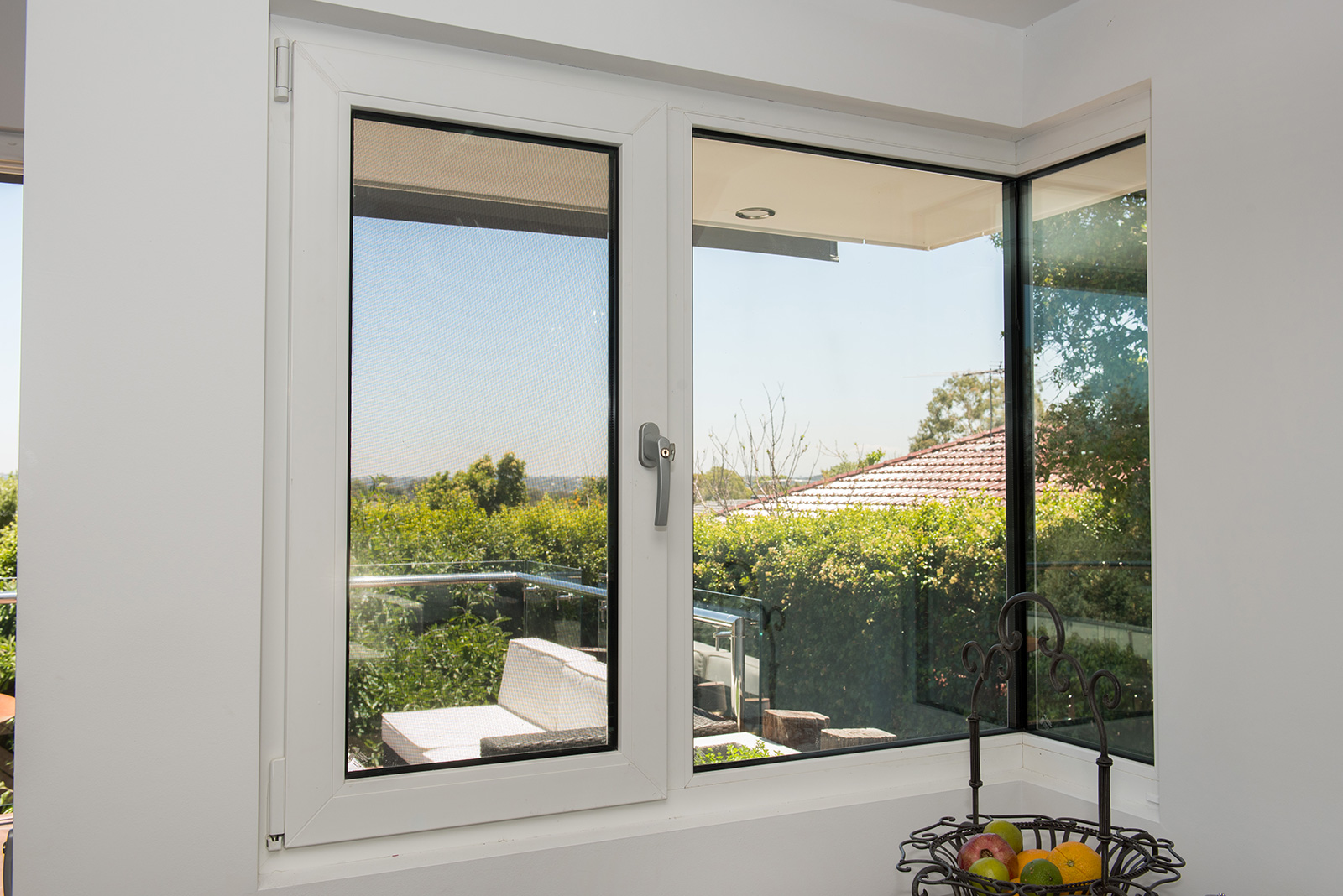
Double Glazing vs. Triple Glazing – What are the Differences?
The primary difference lies in the number of barriers between your living space and the outside world.
- The Insulation Gap: In both types, the spaces between the panes are filled with Argon gas, a gas that is denser than air and significantly slows heat transfer.
- Glass Thickness: High-quality units often use varying glass thicknesses to better disrupt sound waves and thermal energy.
- Frame Integration: For the glazing to be effective, it must be paired with a non-conductive frame like uPVC, which prevents heat from “leaking” around the edges of the glass.
Double Glazing vs. Triple Glazing Cost
Cost is the most significant factor when choosing between these two options. The Premium: Triple glazing generally costs 30% to 50% more than double glazing.
Weight and Installation: Because triple-glazed units are 50% heavier, they require more robust hardware and more labor-intensive installation, which adds to the total project cost.
Return on Investment: For most Australian climates, double-glazed uPVC windows offer the best “payback” in energy savings relative to the initial cost.
Thermal Performance & Energy Efficiency
Windows are a major source of unwanted heat loss in winter and heat gain in summer.
Solar Heat Gain (SHGC): Double glazing can sometimes be preferable in cooler regions where you want to allow some “free” solar heat from the sun to warm your home in winter.
U-Value: This measures how much heat is transferred through the window. Triple glazing generally offers a lower (better) U-Value than double glazing.
Energy Ratings: While triple glazing is roughly 20% more efficient than double glazing, double-glazed uPVC windows already provide a massive 75-80% improvement over old single-glazed windows.
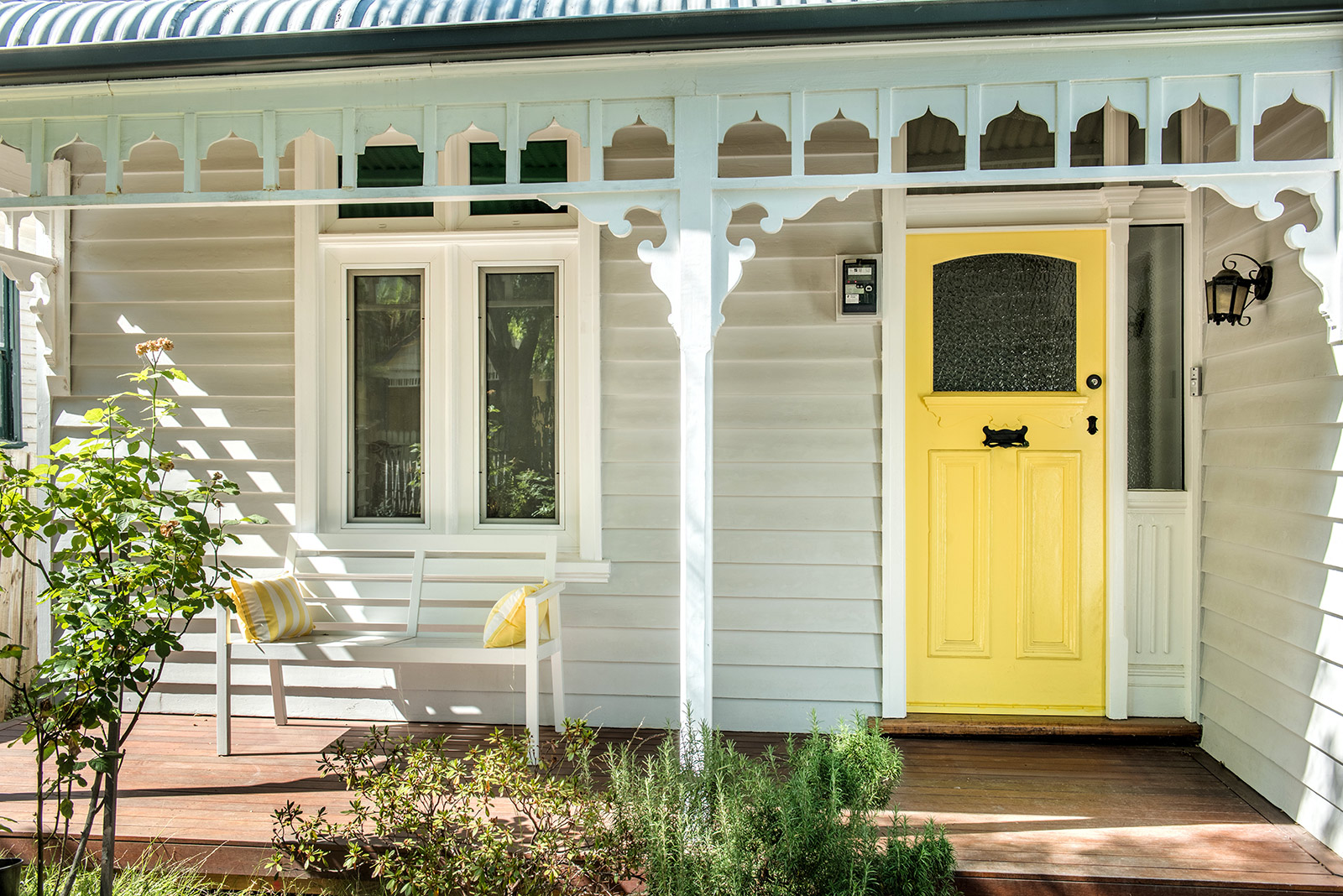
Double or Triple Glazed Windows – Which is Best for Your Home?
Choosing between double and triple glazing isn’t about finding a “winner”; it’s about finding the right specification for your specific project goals.
- The Case for Double Glazing: For the vast majority of Australian renovations and new builds, double glazing remains the most practical choice. It provides a significant thermal upgrade over single glazing, reducing heat transfer by up to 80%, while remaining lightweight and cost-effective.
- The Case for Triple Glazing: This is a specialised solution. It is the gold standard for homeowners pursuing “Passive House” certification or those living in extreme climates where every degree of thermal retention is critical. It also offers a marginal but measurable edge in acoustic performance for high-noise areas.
Ultimately, the goal is to create a comfortable, energy-efficient home that fits your budget. While triple glazing offers the highest peak performance, the diminishing returns on investment in a temperate climate like Melbourne’s often make double glazed windows the more balanced choice for most residential applications.
Choose Vue’s Double Glazed Windows
At Vue Windows, we specialise in high-quality, double glazed uPVC windows & doors tailored for Australian homes. Our expert team can help you choose the right style, measure and install with precision, and deliver windows built to last decades.
Contact us today to arrange a consultation and explore your double glazed window options!