
 MAKE AN ENQUIRY
 CALL US
A Clear Winner
-
UPVC Windows & Doors in Melbourne
The highest quality, locally manufactured UPVC doors, windows & window replacements

With over 30 years experience, VUE provides a complete service from onsite consultation, local manufacturing to installation.
At VUE Windows & Doors our professional team can design, fabricate, and install superior domestic and commercial door and window products. Working closely with our customers across Melbourne we can offer a seamless and customised set of products based on what type of door or window you want.
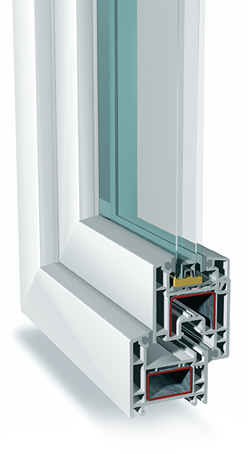
Constructed from highly durable unplasticised polyvinyl chloride (UPVC) our windows and doors excel at keeping the heat in, improving sound insulation, and requiring less energy to produce over timber or aluminium materials.
These windows are lauded for their ability to maintain indoor temperatures, resulting in significant energy savings. The high-quality materials used in their construction ensure durability and long-term performance. Additionally, our uPVC windows offer a range of design options, making them a versatile choice for various house styles.
This combination of notice and energy efficiency, German quality, and aesthetic appeal and flexibility makes our uPVC windows, a superior choice for both new and old residential and commercial properties in Victoria.
As a skilled UPVC door and window manufacturer, VUE utilises industry-leading fabrication methods and techniques to deliver a finished product of the highest quality.
Thanks to our personalised and precise services and solutions the team at VUE Windows endeavours to provide energy-efficient, competitively-priced, and flawless alternatives to traditional windows and glass doors. By striving to provide an extensive range of cutting-edge services we also offer to install UPVC replacement windows into homes throughout the city.
For more information about our innovative services call us directly on 1300 786 673.
A Clear Winner
We turn up when
we say we will
Deal direct with
the manufacturer
Premium service
with quick
turnaround time
Full building
installation service
by a HIA accredited team
Superior Aluplast German
Technology
and Design

“Frank and his team have been an absolute please to work with. We will certainly call them back again.”
“Incredible product – excellent installation, very good and personal service and a pleasure to work with.”
“Frank and the team were approachable, flexible and responsive to our requirements, which allowed us to make informed decisions around our renovation and sustainable design.”
“Vue Windows gave us an amazing personalised service from start to finish. We had the uPVC windows and doors installed into our new build, and they worked directly with our builder and organised it all with ease. The products are of the highest quality and many of our guests compliment the windows. So far we’ve only lived in our home during the winter months, and the windows have made a marked difference to our energy costs with our home retaining heat for longer than we expected.”
“Everything Vue Windows said they were going to achieve they delivered on, including taking ownership of the end result and communicating throughout the whole process, which is rare in today’s world of business. I have previously experienced very poor quality and service but this experience was a ‘breath of fresh air’.”
“We remain delighted by our windows, both in their appearance and their functionality.
Not only do they keep 90% of the street noise out, but they keep in warmth and hold out the cold. You said that we would appreciate their thermal qualities, but as you know this was a secondary concern to the noise. But I cannot believe how even the indoor temperatures remain.
The windows also have made our window frames look much more solid and stylish, and we are very grateful for your advice to get tilt and turn in the bathrooms. In short we could not be happier.”
I love my new sliding door! Great customer service by Vue Windows and a great product perfectly made. Installation was done quickly and flawlessly. I would recommend Vue Windows to my family and friends.
We needed a double-glazed, colonial-barred window to match our other windows, as part of a renovation.
Frank gave us clear, knowledgeable advice and delivered exactly when he said he would. We are super happy with the result and the service.
We had all windows and doors upgraded (double-glazing) by Vue Windows and we don’t know how we lived without it. We dealt with Frank who was extremely helpful and constantly followed up up at each step of the process. Chris and the team who installed our windows and doors were incredible; fast, clean and very professional – they did a superb job. We had quotes from other companies – they were however much more expensive than Vue. The quality of all fittings, and thermal and noise reduction benefits have exceeded our expectations. It has elevated the quality and “feel” of our entire home. There was no pressure from Frank and we highly recommend Vue Windows to anyone considering double-glazing as an option.
Highly recommended by Rosemount Kitchens to try VUE Windows – after a well-below-average experience getting quotes from a well known windows company. VUE Windows surpassed my expectations with their outstanding design process, competitive pricing, and seamless installation. They are the 5 star-real-deal. Frank’s attention to detail in the design phase was exceptional, ensuring future compatibility with a dog door and matching the trim to my 30-year-old house. Their flexible payment schedule was a relief compared to competitors’ hefty upfront demands. VUE is in a class of their own.
The double-glazed windows installed in my lounge and bedrooms have been transformative. They’ve significantly improved temperature control and light in my lounge, and the sound insulation is remarkable, especially near a childcare centre. The installation team was efficient, completing the job in half a day without any mess. I’m thoroughly impressed and grateful for VUE’s service.
